Follow the failure chain
We ask what moved, overheated, wore out or changed before the visible symptom appeared.
D&S diagnostic case files & shop advice
We specialize in repeat failures, crossed-up symptoms, intermittent faults and machines that have already had the obvious parts replaced. These 18 guides show how D&S follows the evidence until the whole problem makes sense.
The weird and wonderful
Anybody can replace the part named by a symptom. The hard part is proving why it failed. A sensor code can begin with a moving frame. A carburetor backfire can begin inside the valve train. A new belt can fail because the geometry around it is wrong. D&S works across the mechanical and electrical systems until the cause-and-effect chain is complete.
Consumer awareness · Straight talk
Before you hand someone the keys, the equipment, your house or your money, ask whether they are insured for the job, how your property is covered and what happens when the plan changes.
That is not being difficult. That is being smart. And no — nothing happened. 😂
Read the full guide →Our diagnostic specialty
The stranger the complaint, the more disciplined the process has to be. We do our best work when a machine's story does not fit the obvious answer.
We ask what moved, overheated, wore out or changed before the visible symptom appeared.
Mechanical movement can break wiring. Low voltage can imitate fuel trouble. One system can make another look guilty.
Some failures only appear hot, under load, at one deck height or when the chassis flexes. A quick idle test may never show them.
Replacing a damaged part is only half the job if the force that damaged it is still present.
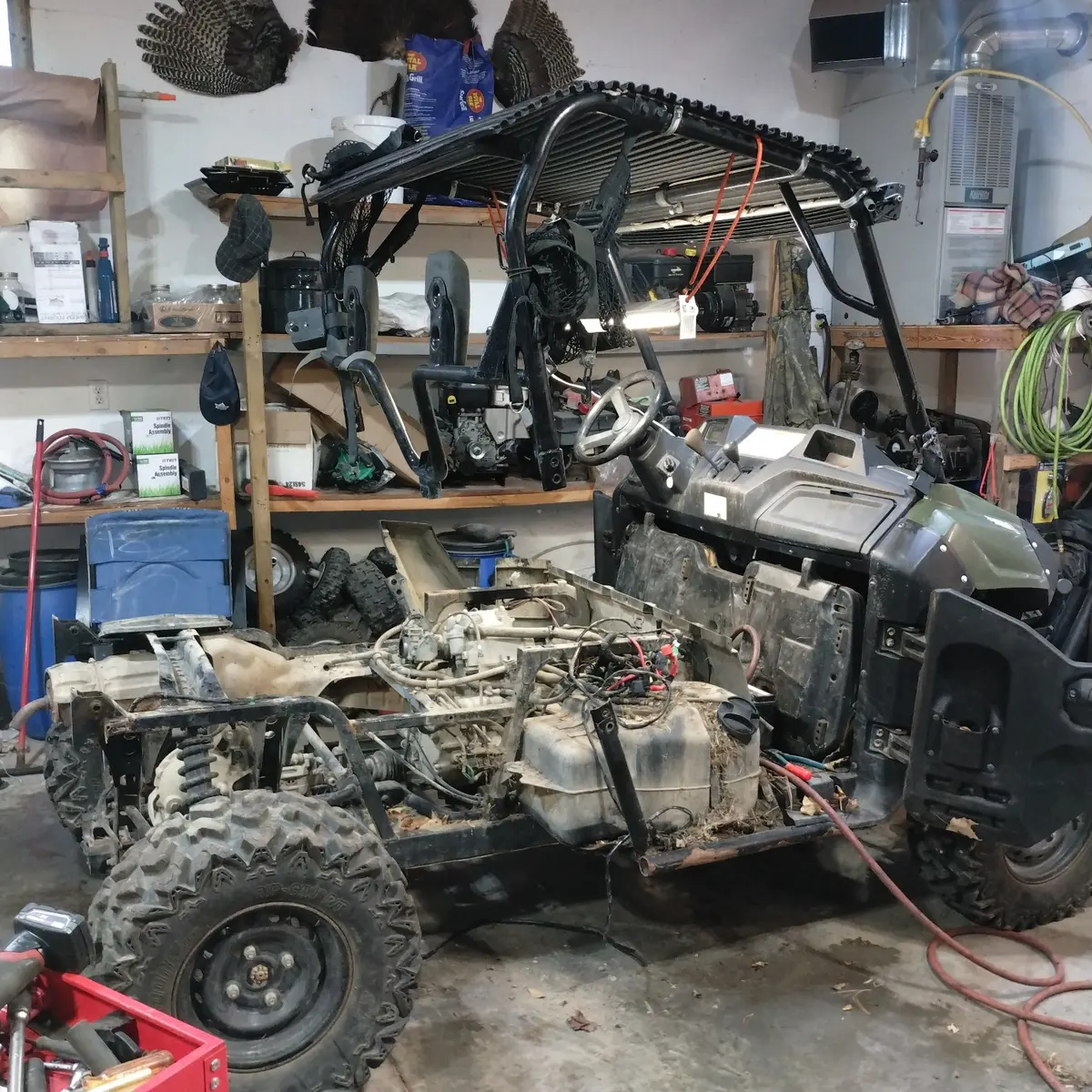
A broken ATV frame moved far enough to damage an intake-sensor wire. We traced the electrical fault back to the mechanical failure and solved both after another shop could not pin it down.
Read the shop advice →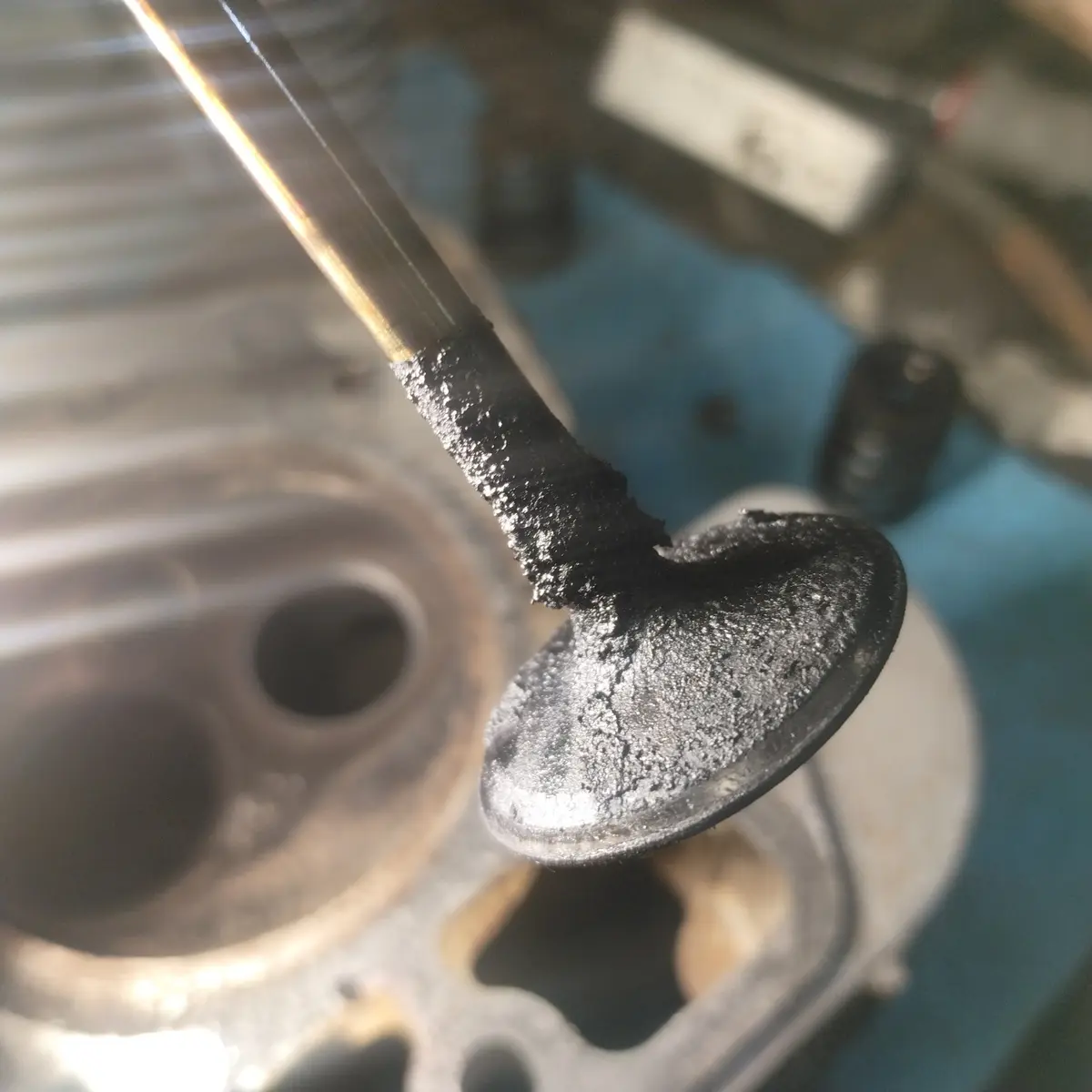
Why a machine that needs choke is usually telling you it is lean — and why water in the fuel can look exactly like a dirty carburetor.
Read the shop advice →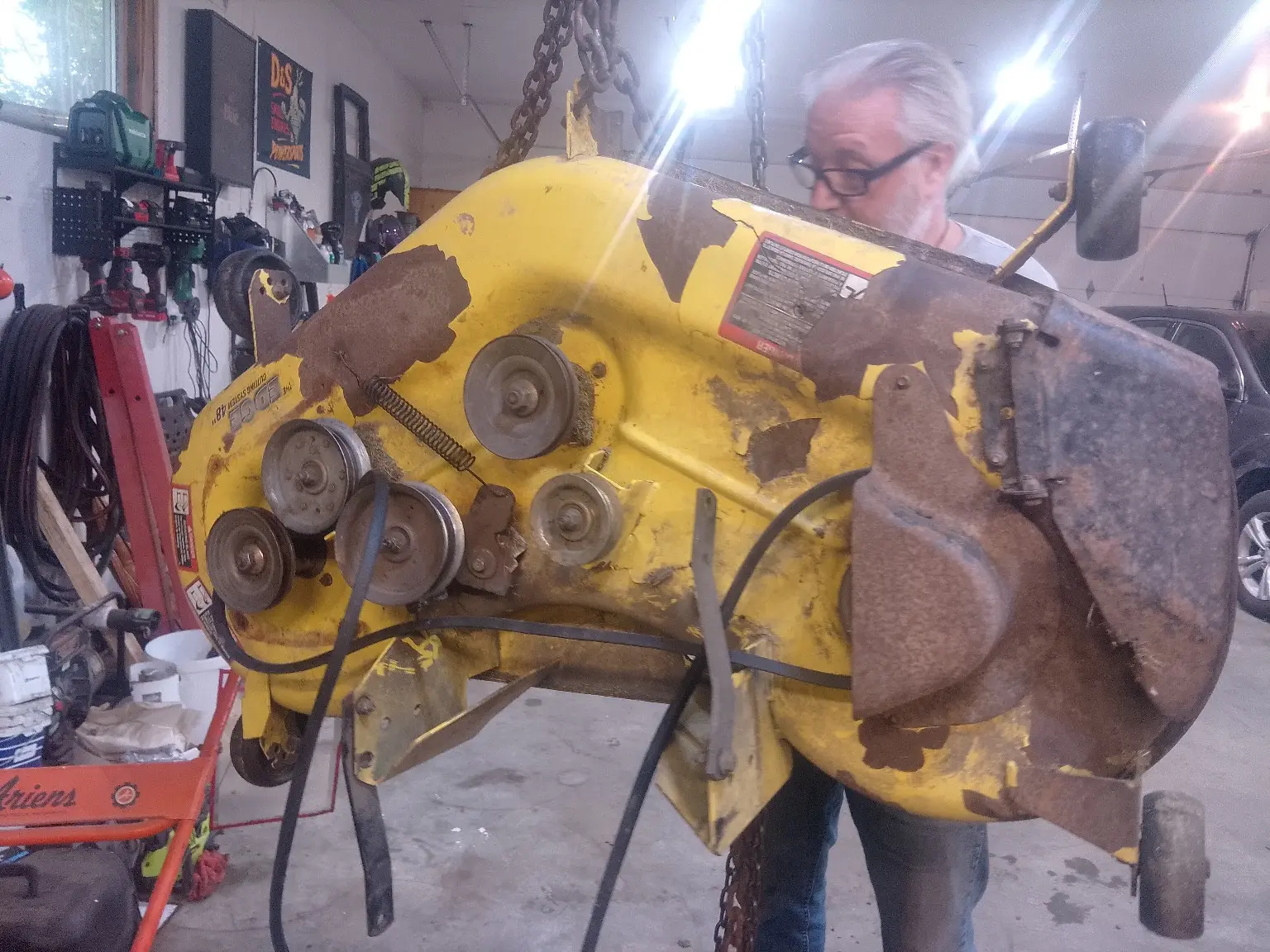
A new belt cannot fix a worn pulley, weak tensioner, bent keeper or alignment problem. Here is the order we inspect them.
Read the shop advice →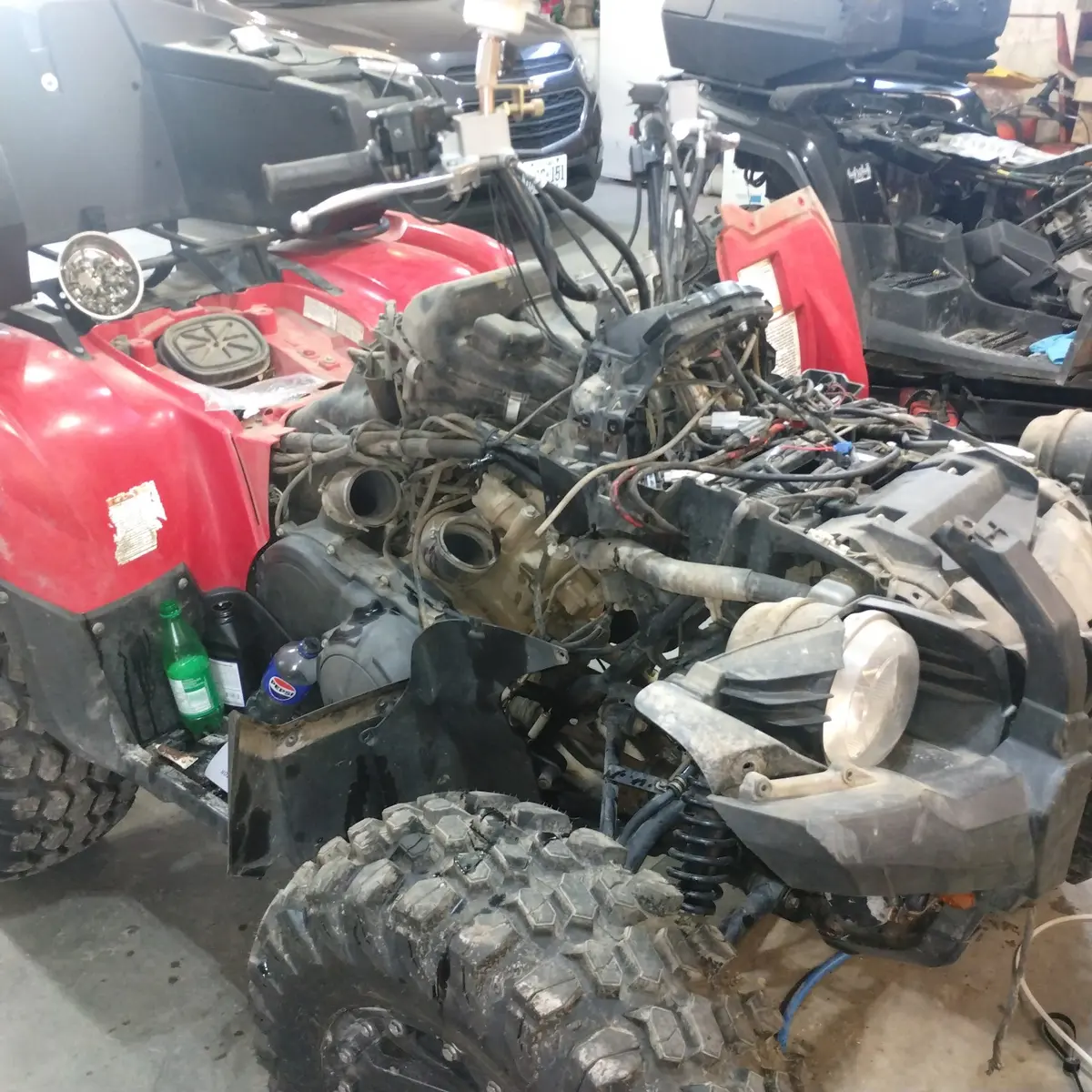
Fuel, spark, compression and timing: how to narrow a no-start without firing the parts cannon at it.
Read the shop advice →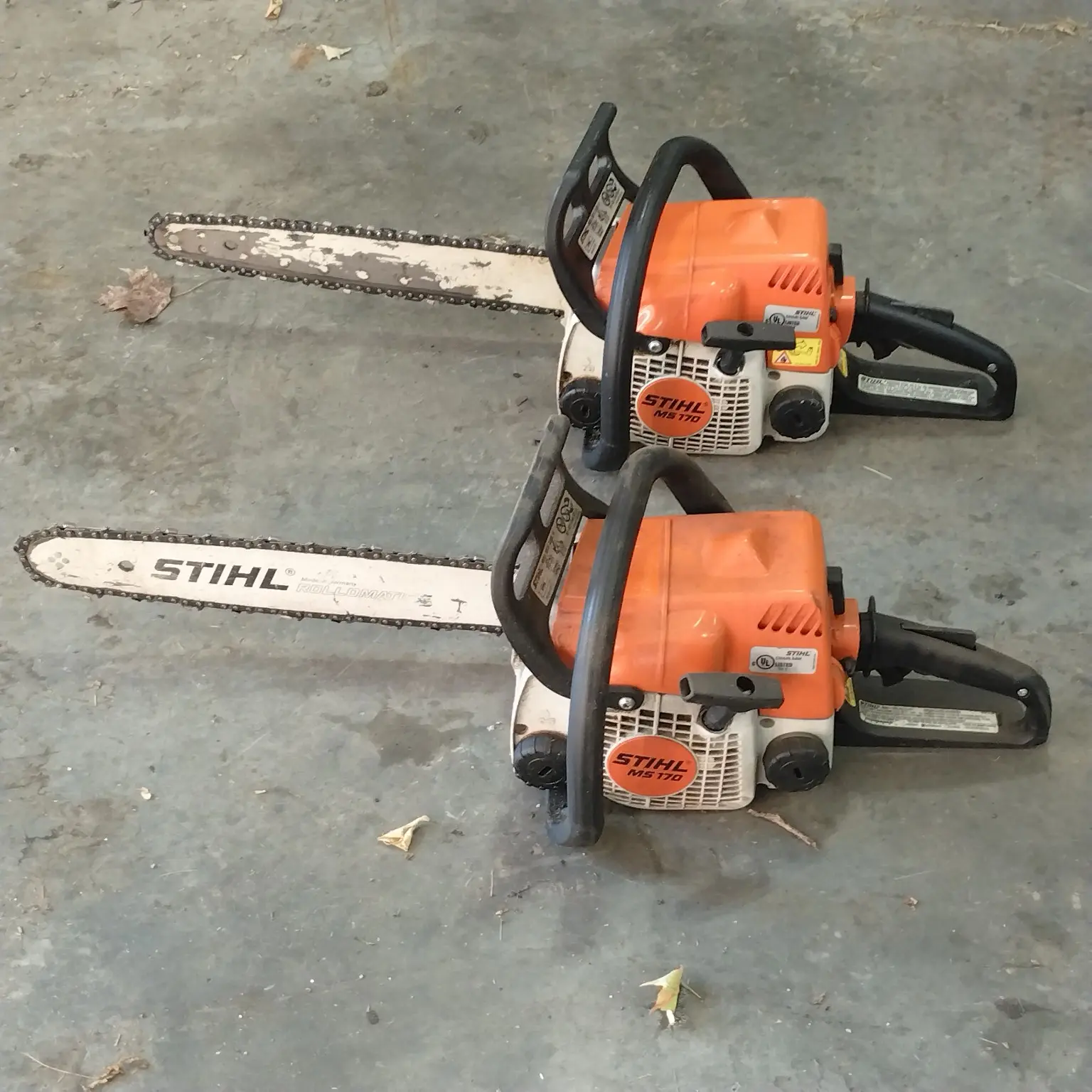
Bar length alone is not enough. Pitch, gauge and drive-link count are the three numbers that prevent an expensive — or dangerous — guess.
Read the shop advice →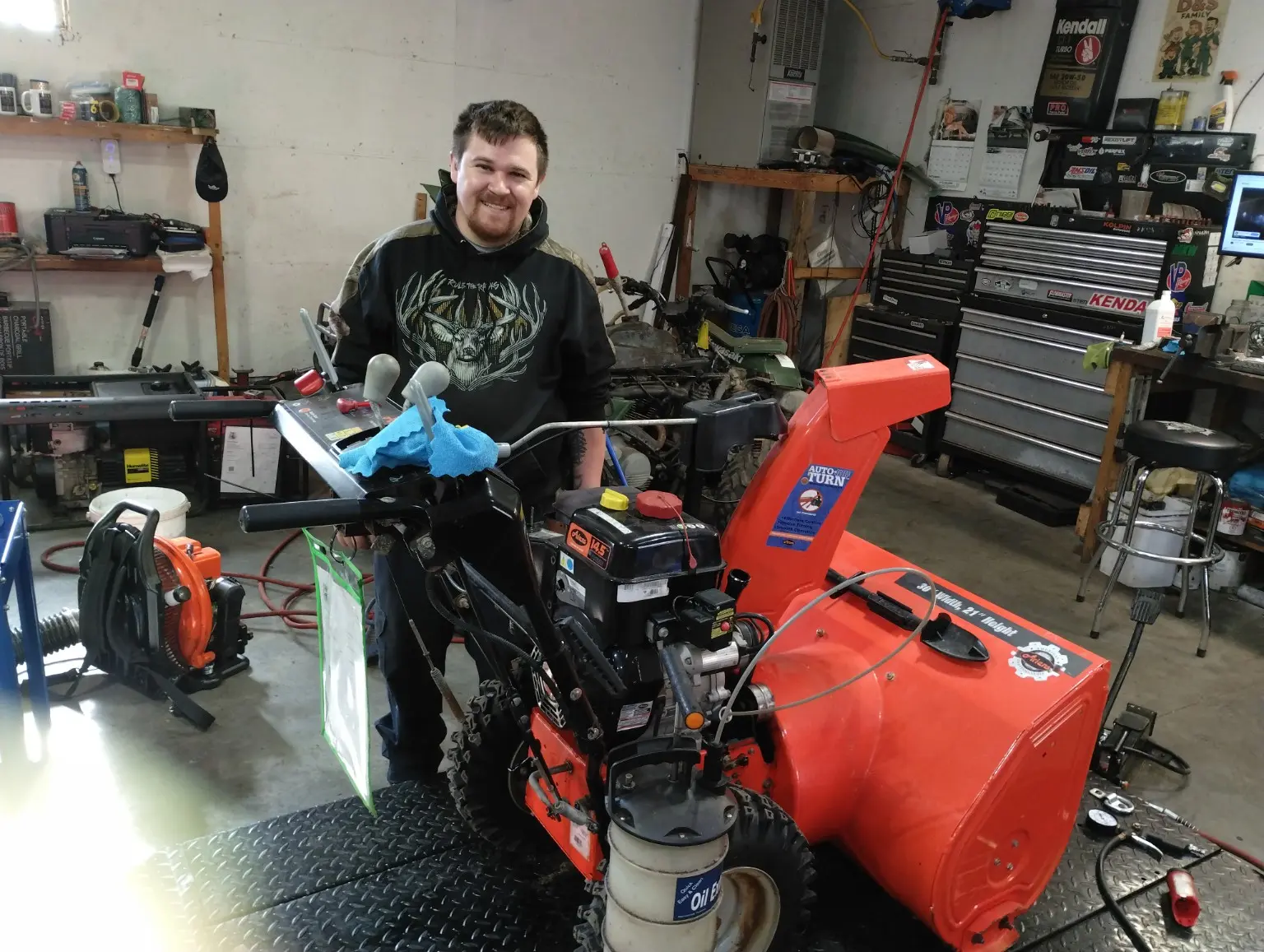
Why the wrong belt, tensioner geometry, belt guides or an auger-brake fault can keep driving the attachment and destroy a fresh belt.
Read the shop advice →The carburetor may only be where the symptom escapes. Valve action, ignition timing, a lean mixture or an internal mechanical problem can be the real cause.
Read the shop advice →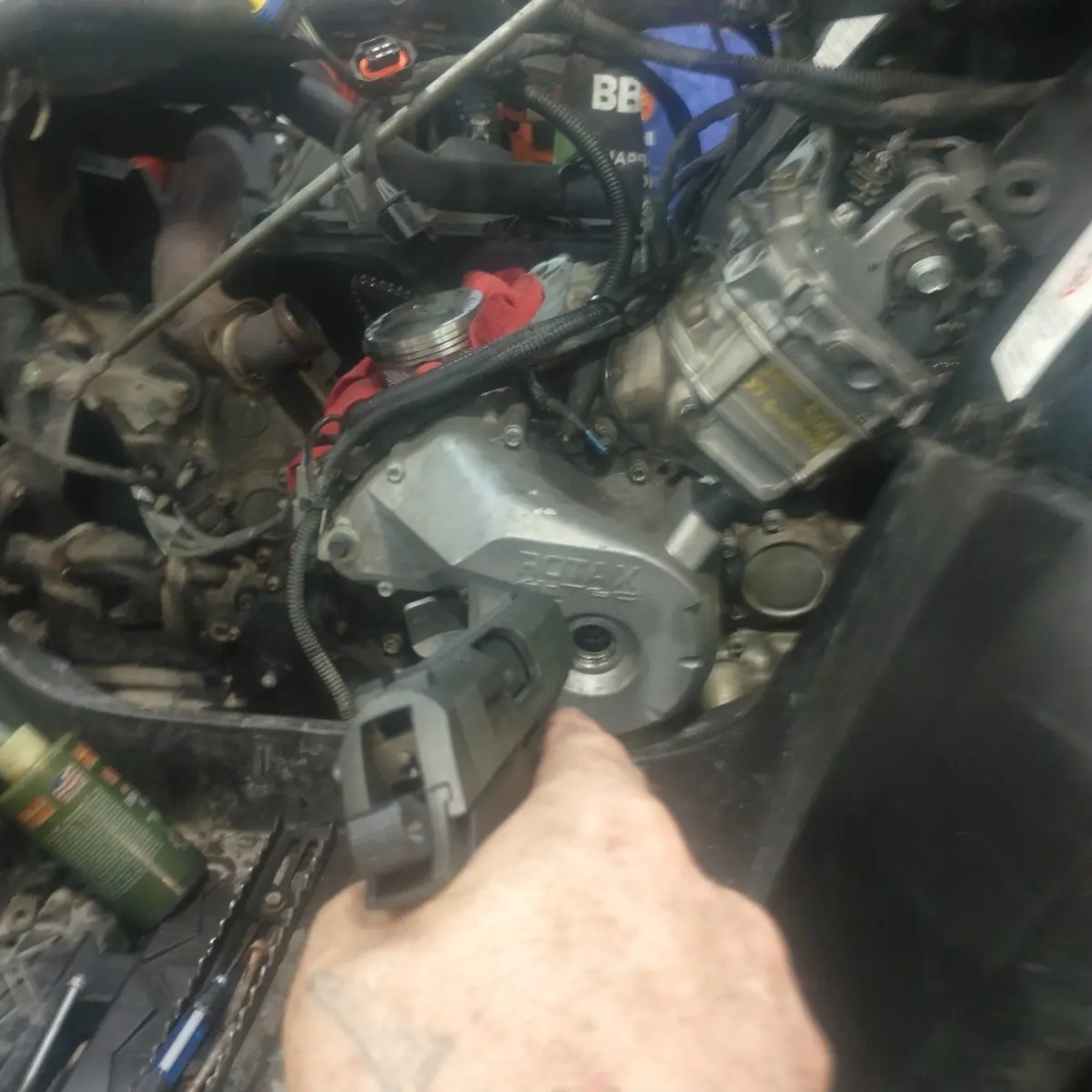
Heat and operating time expose faults a cold five-minute test can miss — from ignition and valve clearance to fuel venting, wiring and safety circuits.
Read the shop advice →If the chain locks after the bar or cover was fitted, stop before the clutch smokes. Brake position, drive-link seating, tension and part fit all matter.
Read the shop advice →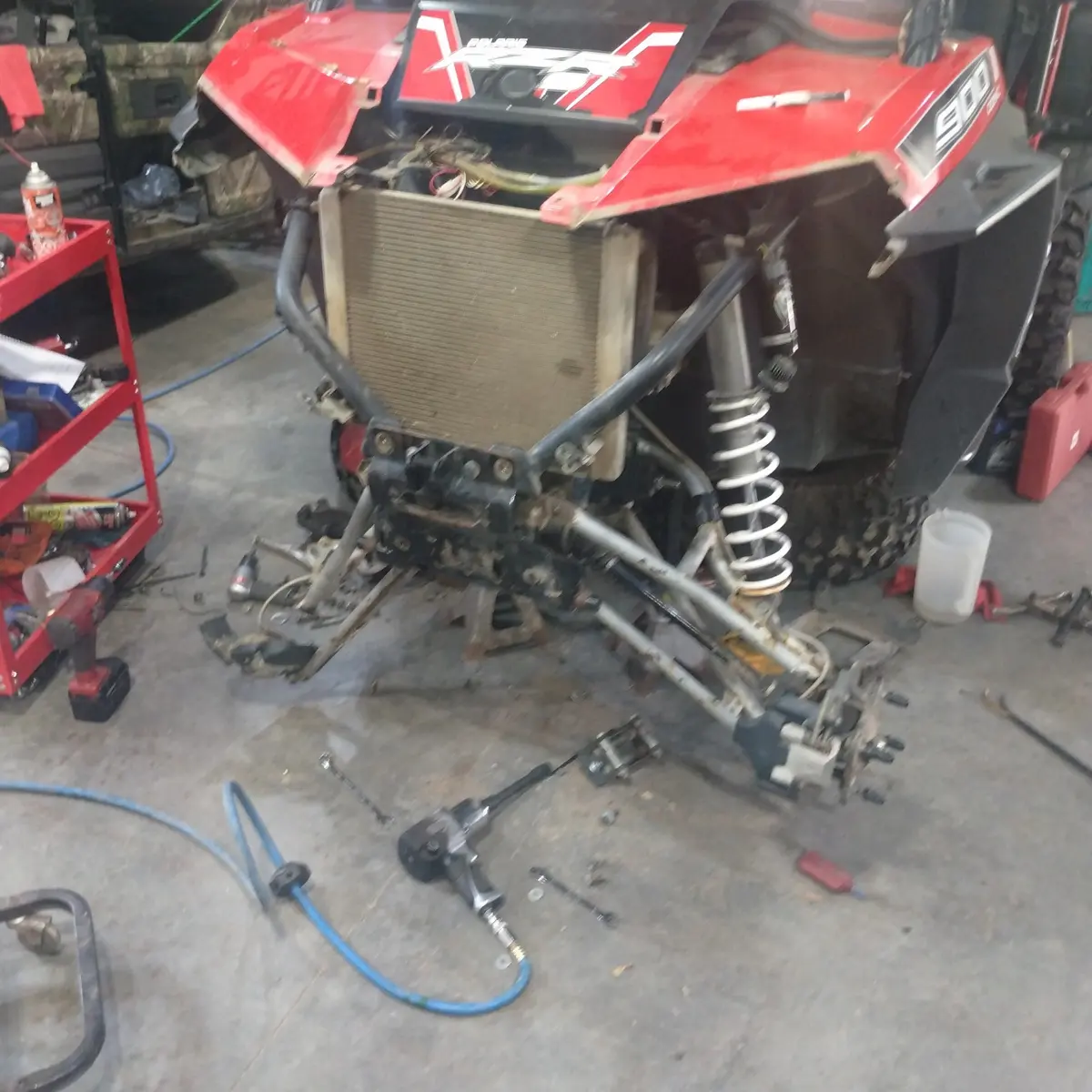
Carrier bearings get blamed quickly, but shafts, joints, splines, mounts, tires and load can all change what you feel through the floor or seat.
Read the shop advice →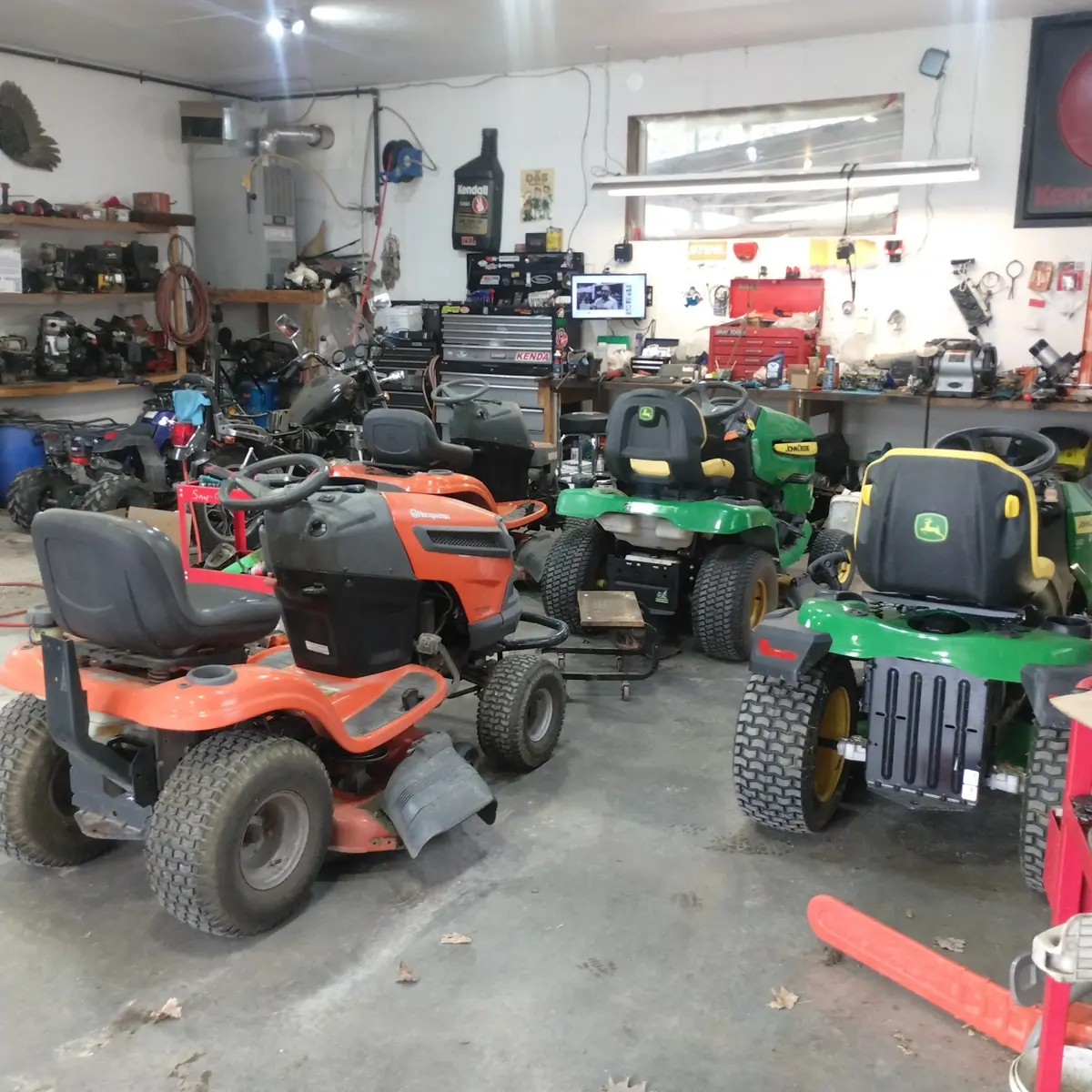
A replaced part is not proof of a diagnosis. Here is how we reset a confused repair, separate symptoms from causes and stop the parts cannon.
Read the shop advice →Hearing the pump proves it made noise — not that it produced correct pressure or volume. A real CFMOTO-pattern complaint shows what to test next.
Read the shop advice →When one drive is faster than the other, tire pressure, control travel, bypass valves, belts and hydro condition all deserve checks before adjustment.
Read the shop advice →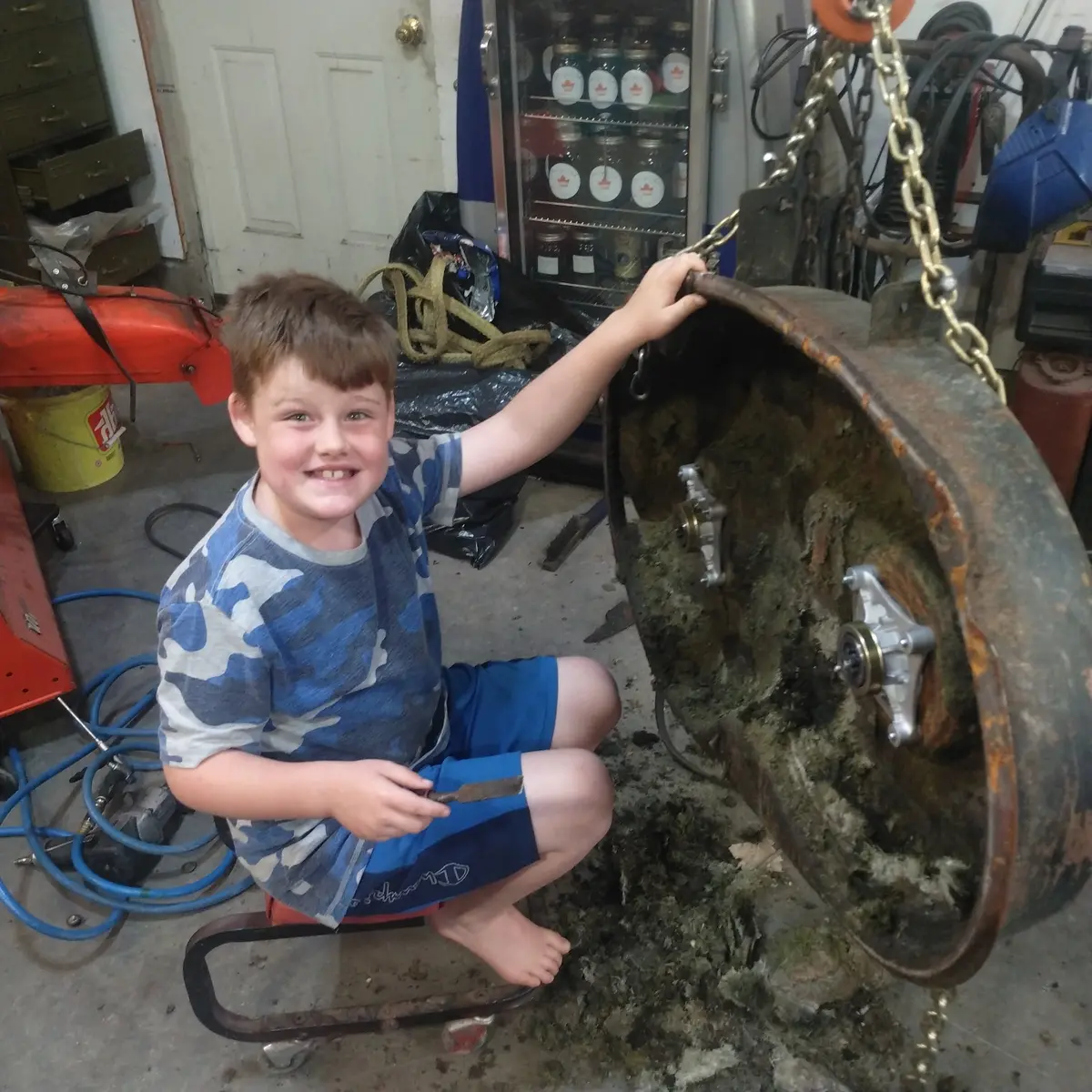
The tractor model may not identify the deck under it. Twin-belt layouts, shaft ends, pulley heights and deck numbers explain many wrong-part surprises.
Read the shop advice →A model name is only the start. Carburetor stamping, linkage, impulse path and adjustment design decide whether a rebuild kit or replacement actually belongs.
Read the shop advice →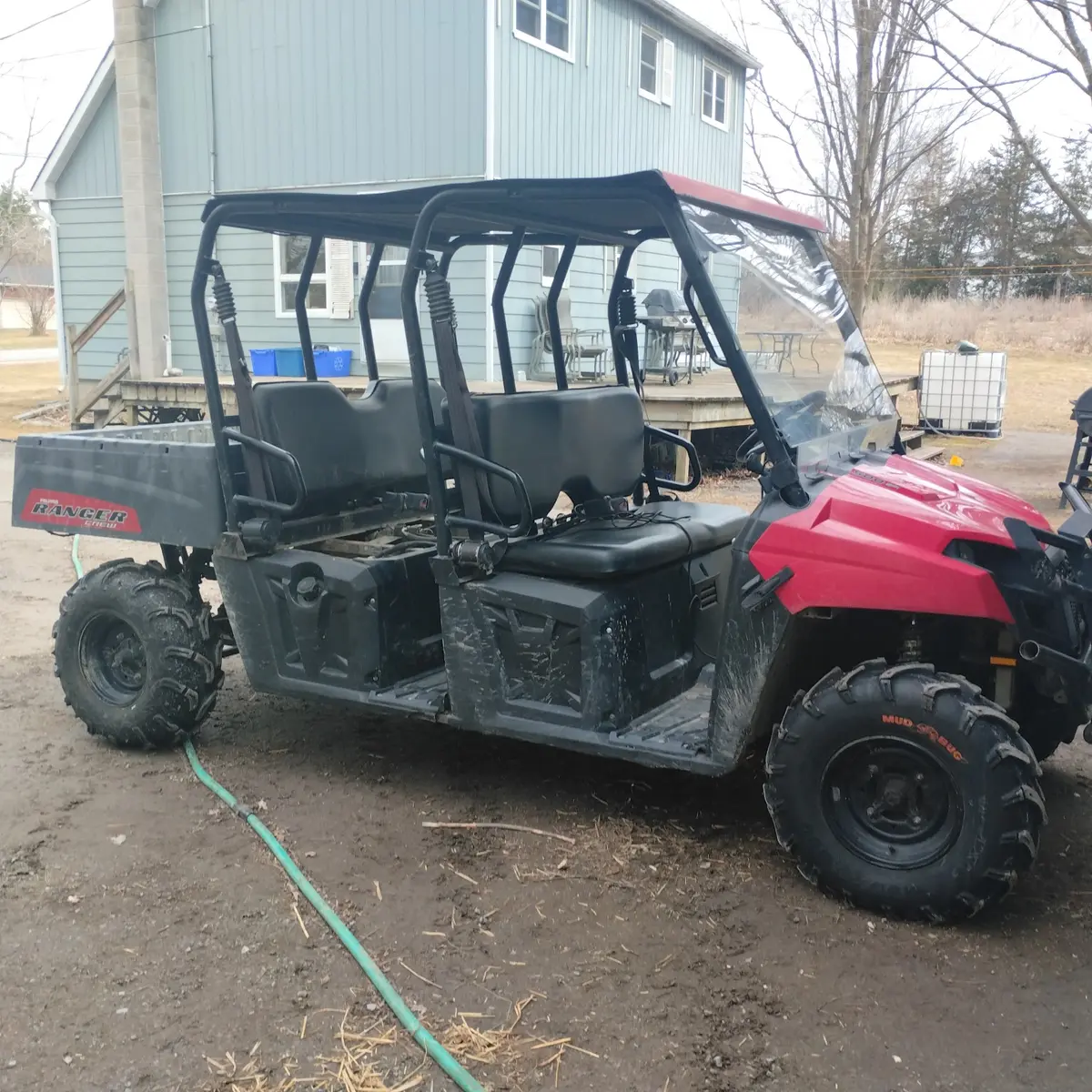
Case dimensions alone do not settle battery fit. Polarity, terminal position, capacity, venting and hold-down clearance can make a near-match unsafe.
Read the shop advice →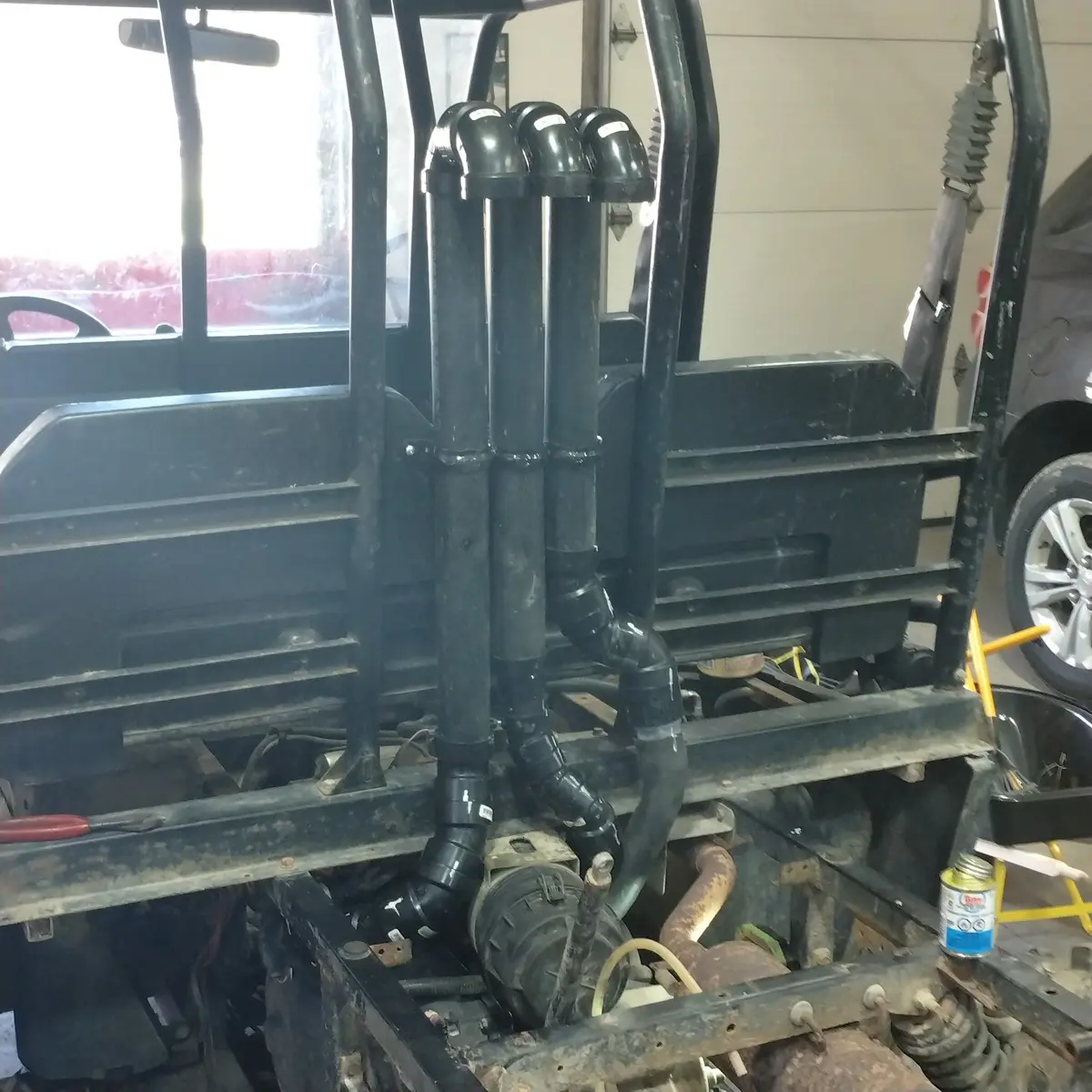
More oil is not more protection. Learn why filter fill, drain points, dipstick procedure and temperature matter before adding that last partial bottle.
Read the shop advice →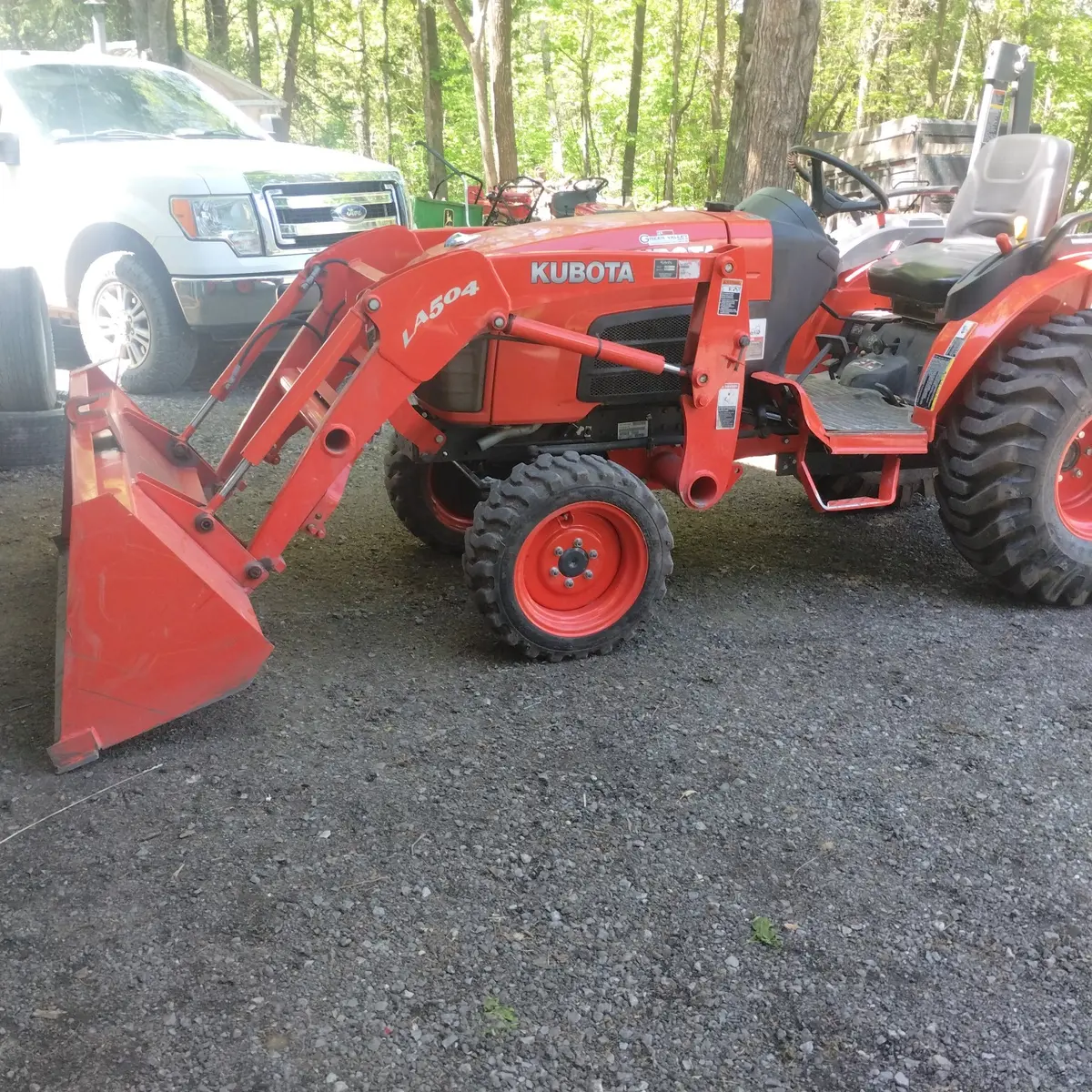
Exhaust smoke suggests fuel is reaching a cylinder, but low compression, glow performance, cranking speed and injection timing still decide whether it lights.
Read the shop advice →How D&S approaches a problem
What changed, when it happens and what was touched last can matter more than the part someone already ordered.
Fuel, spark, compression, timing, voltage, part fit and mechanical condition are measured before the theory gets expensive.
We correct the failed part and the condition that made it fail, then verify the machine under the conditions that exposed it.
Advice is useful. A diagnosis is better.
Send the make, model, serial number and a clear description of what it does. Weird details are welcome — they are usually clues.