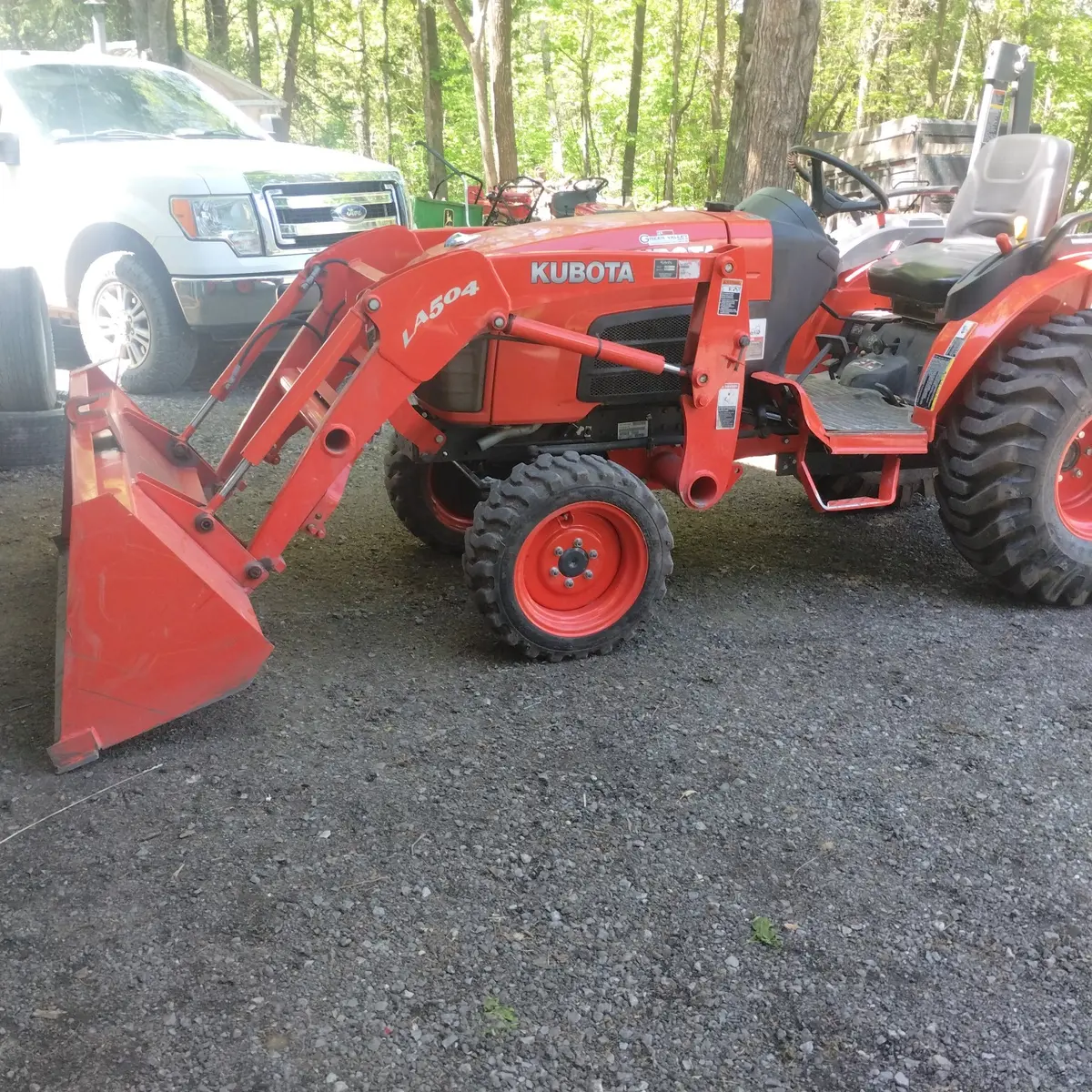
The tracked-dumper pattern
A Kubota KC120HC tracked-dumper case discussed with D&S cranked, produced smoke and would not fire. Testing had identified low compression on the right-hand cylinder, and engine replacement had been raised as the likely direction.
No completed D&S engine replacement is claimed here. The diagnostic value is the pattern: visible fuel smoke did not cancel out a mechanical compression problem.
Smoke colour narrows the questions
Weather, lighting and a short cranking event make colour subjective. Use it as one clue, not the final diagnosis.
- White or light-grey cranking smoke: fuel may be present but not igniting because of low heat, compression, timing or atomization
- Black smoke: fuel is burning poorly with restricted air or excessive delivery
- Blue smoke: oil is entering combustion, though colour can be difficult to judge during a no-start
Cranking speed creates compression heat
A diesel can sound as though it cranks normally while turning too slowly to create reliable ignition temperature. Test the battery, cables, grounds and starter under load.
- Measure voltage at the battery during cranking
- Check voltage drop on both positive and ground paths
- Confirm the correct oil viscosity in cold weather
- Listen for uneven cranking cadence between cylinders
Prove the preheat system
A glow indicator on the dash does not prove current reached every glow plug. Test supply voltage, relay operation, bus connections and individual plug resistance or current using the manufacturer's procedure.
A two-cylinder engine may be especially unwilling to start cold when one glow plug or one cylinder is weak.
Compression needs numbers and a cause
Compare cylinders using the correct diesel test equipment and procedure. If one is low, follow with leak-down, valve-clearance inspection or other directed testing to separate valve leakage, ring or bore wear, head-gasket trouble and mechanical damage.
An engine-replacement recommendation should rest on measured condition, parts availability and repair economics — not smoke alone.
Fuel still has to arrive correctly
Avoid ether unless the engine manufacturer expressly permits a specific procedure. Intake heaters and glow plugs can make starting fluid dangerous, and uncontrolled ignition can damage a small diesel.
- Clean, seasonally appropriate diesel fuel
- No air entering the supply side
- Correct filter flow and priming
- Injection occurring at the correct time
- Injectors atomizing rather than dribbling
- Stop solenoid or fuel-control device remaining in the run position
Cranking smoke means the diesel gave you a clue, not a verdict. Starting still depends on speed, heat, compression and correctly timed fuel meeting together.
This is general information, not a diagnosis of your machine. Shut equipment down, remove the key, isolate the spark plug or battery as appropriate, let hot parts cool and keep fuel away from ignition sources. Stop if the check involves exposed moving parts, safety interlocks, internal timing or anything beyond your experience.