What the choke is actually doing
A cold engine needs a richer fuel mixture. The choke reduces incoming air so the mixture becomes easier to ignite. Once the engine warms, it should run with the choke fully open.
If it dies as soon as the choke opens, the normal running circuit is not supplying the mixture the engine needs. Most often that means too little usable fuel, too much unmetered air, or both.
The usual suspects
- A restricted main jet, emulsion tube or carburetor passage
- Water, stale fuel or debris in the tank and carburetor bowl
- A cracked intake boot, loose carburetor or failed intake gasket
- Restricted fuel flow from the tank, filter, line or shutoff
- A tank cap that is not venting correctly
- Less commonly, valve, compression or ignition-timing trouble that mimics a fuel problem
Clean-looking fuel can still be bad fuel
One mower that came through the D&S orbit had a running complaint that looked like another carburetor problem. The fuel was believed to be ethanol-free, but water was present in the system. Draining the tank and carburetor and adding known-good fuel restored normal operation and repeatable cold starting.
Ethanol-free fuel avoids ethanol phase separation, but it is not immune to a contaminated fuel can, rain intrusion, outdoor storage or water already sitting in the machine.
Fuel quality is something we verify, not something we assume from the colour, smell or label on the pump.
Smart checks before buying a carburetor
A replacement carburetor may still be the right repair, but it should follow evidence. Bolting on a cheap carb will not remove water from the tank, repair an intake leak or fix a venting problem.
- Start with fresh fuel from a clean, known-good container
- With the engine cold and safely shut down, inspect a fuel sample in an approved clear container; water settles below gasoline as beads or a separate layer
- Check that the air filter is not soaked, collapsed or incorrectly fitted
- Look for cracked intake rubber, loose fasteners and damaged fuel line
- Confirm the exact model and carburetor before ordering anything
Do not use the choke as a permanent repair
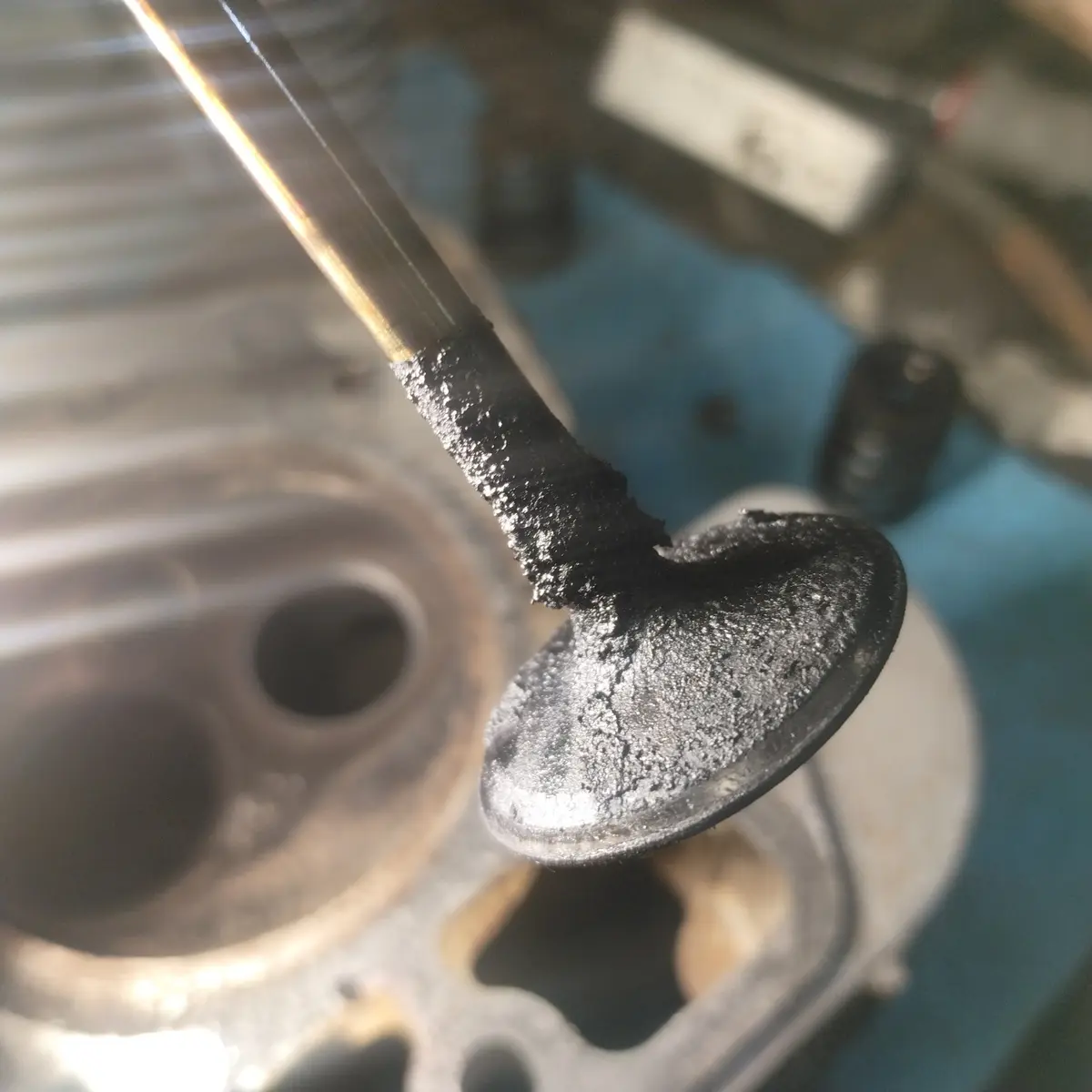
Running continuously on choke can foul the plug, build carbon, waste fuel and hide a condition that is getting worse. If the machine surges, hunts, stalls under load or needs more choke as it warms, stop treating the lever as a solution and diagnose the cause.
Treat the fuel as evidence. A carburetor symptom does not automatically mean a carburetor is the cause.
This is general information, not a diagnosis of your machine. Shut equipment down, remove the key, isolate the spark plug or battery as appropriate, let hot parts cool and keep fuel away from ignition sources. Stop if the check involves exposed moving parts, safety interlocks, internal timing or anything beyond your experience.