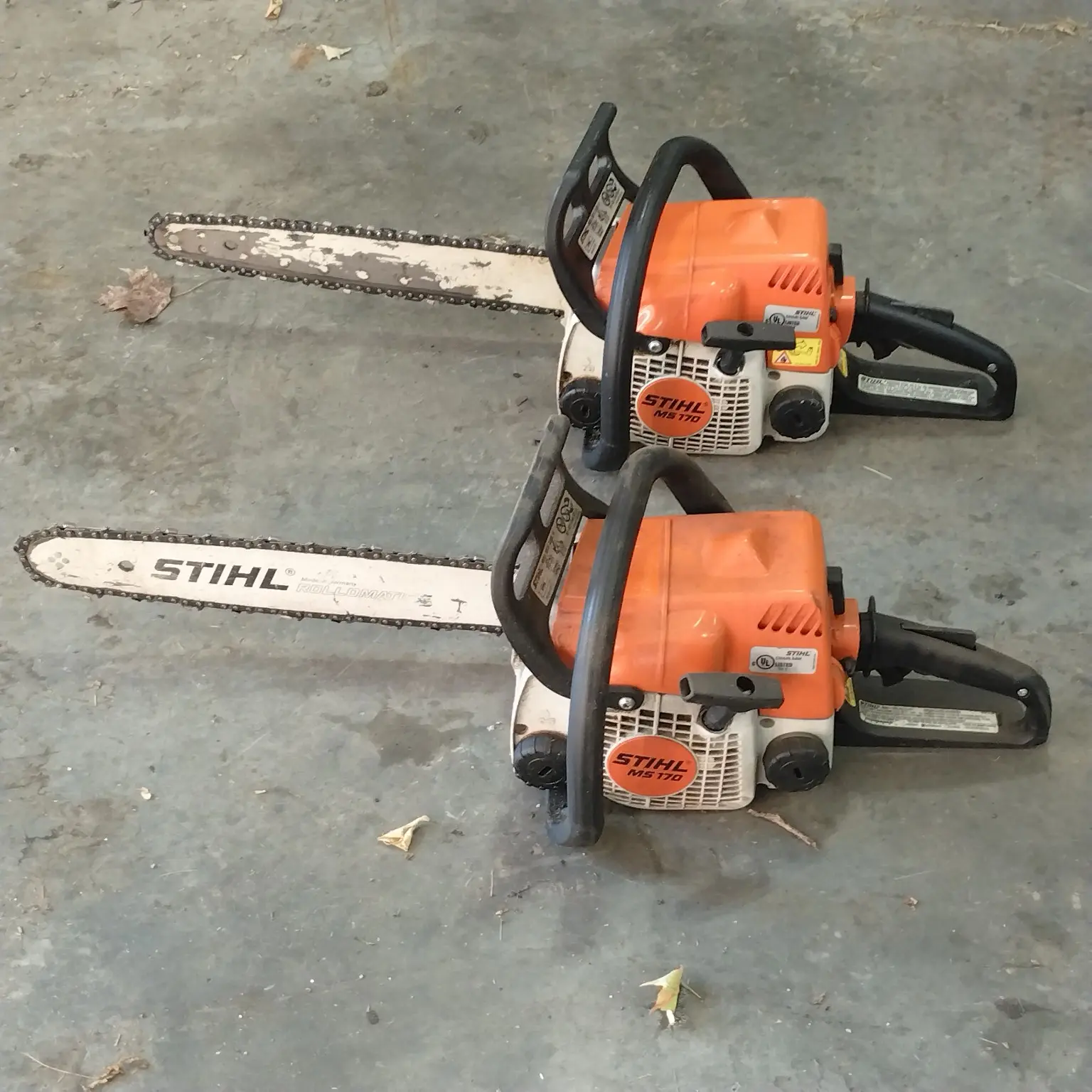
Stop when the clutch starts smoking
D&S has seen the pattern: a bar and chain are fitted, the cover is tightened, the chain will not move, and continued throttle makes the clutch smoke. At that point the clutch is trying to drive a locked system.
Shut it down. Heat can damage the clutch, drum, bearing, brake parts, bar and chain. More engine power will not correct assembly or fit.
The brake and cover can trap you
On many saws, the chain brake mechanism is part of the clutch cover. Removing or installing that cover with the brake applied can make reassembly difficult and may leave the brake band clamped around the drum.
Follow the exact manufacturer procedure. Do not pry, hammer or force a cover into place. Some designs require the brake to be reset with a proper method before the cover can be installed safely.
Check the complete chain path
- Cutters face forward along the top of the bar
- Every drive link is fully seated in the bar groove
- The chain is engaged with the drive sprocket
- The guide-bar studs and tensioner pin are in their correct locations
- The bar sits flat against the mounting surface
- The chain brake is released for the free-movement check
- The cover is seated normally before the nuts are tightened
Correct size does not end at bar length
Pitch, gauge and drive-link count must match the installed bar and sprocket. A drive link that is too thick can bind in the bar groove. Incorrect pitch will not mesh correctly. Damaged or burred drive links can also lock in one section of the bar.
A 16-inch or 20-inch label is not enough to identify a chain. Match pitch, gauge and drive-link count every time.
Tension should be controlled, not extreme
An over-tightened chain can be difficult to move and becomes tighter as heat expands the bar. A loose chain can derail. Set tension according to the saw manufacturer's instructions while supporting the bar as directed, then recheck after the first warm-up.
If the chain moves with the cover loose but locks when the cover is tightened, inspect tensioner engagement, bar seating, cover fit and brake position. That change is useful evidence.
When it is no longer an assembly check
Those conditions need component inspection before the saw runs again.
- The clutch drum or sprocket is blue, cracked, badly grooved or loose
- The brake band is distorted or will not release
- The chain binds at the same point on every rotation
- The bar groove is pinched, spread or heavily burred
- The clutch smokes or the engine stalls with the brake released
- The cover cannot seat without force
If tightening the cover makes the chain lock, treat that change as the clue. Correct the brake, seating, fit or tension before the clutch pays for it.
This is general information, not a diagnosis of your machine. Shut equipment down, remove the key, isolate the spark plug or battery as appropriate, let hot parts cool and keep fuel away from ignition sources. Stop if the check involves exposed moving parts, safety interlocks, internal timing or anything beyond your experience.